

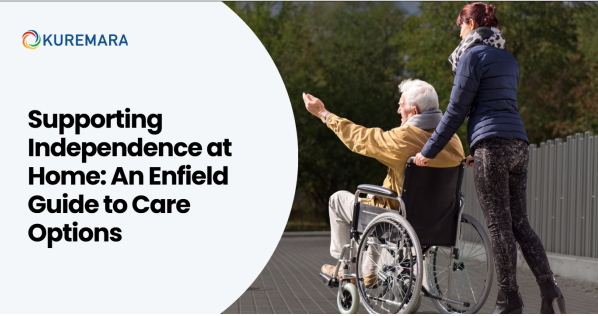
Watching a parent, partner, or relative start to need more help with everyday life is one of the harder experiences a family goes through. You want to keep them safe and well, but you also want to protect the independence and familiar comforts that matter so much to them. For families in Enfield, the reassuring truth is that these aims aren’t in conflict. With the right support at home, a loved one can stay safe and cared for without leaving the place they know best. This guide explains how home-based care works, the options available, and how to choose a provider you can trust.
Why Home Is So Often the Right Place to Stay
For generations, the assumption was that once someone could no longer manage on their own, a residential care home was the only realistic answer. That thinking has shifted considerably, and today far more families recognise that leaving home isn’t always necessary, and rarely what their loved one actually wants.
The reasons are sound. Familiar surroundings genuinely matter to wellbeing, especially for people living with dementia, where recognisable spaces and settled routines bring comfort and ease distress. Staying at home also means keeping the neighbours, the local shops, the community, and the memories woven into every room. In a diverse, well-established borough like Enfield, where many people have deep local roots, that continuity carries real weight.
There’s also the simple matter of choice and dignity. Remaining at home allows people to keep control over their daily lives in a way residential care seldom permits. Quality home care services in Enfield make this possible, combining professional support with the comfort of familiar surroundings, and giving families reassurance without the emotional upheaval of a move. Understanding the different types of care available is the first step to a confident decision.
The Main Types of Home Care Explained
One of the most confusing parts of arranging support is the sheer number of terms involved, and understanding what each means makes the whole process far less daunting. Here are the main types of home care and what each offers:
- Hourly visiting care.A carer visits at agreed times to help with specific tasks, whether that’s support with washing and dressing, preparing meals, managing medication, or light housework. This flexible option suits people who are largely independent but need dependable help at certain points in the day.
- Live-in care.A dedicated carer lives in the home, providing continuous support and companionship around the clock. Often chosen as an alternative to a care home, it offers the reassurance of constant support while allowing a person to remain in familiar surroundings.
- Respite care.When a family carer needs a break, whether for a holiday, to recover, or simply to rest, respite care steps in temporarily. It protects the wellbeing of unpaid carers, who are so often at risk of exhaustion and burnout.
- Overnight care.For those needing support through the night, overnight care provides either sleep-in cover or waking care throughout the hours of darkness, offering peace of mind about falls, confusion, or medical needs after dark.
- Complex care.People with long-term or specialist medical conditions may need nurse-led support at home, from managing complex medication to specialist clinical tasks, delivered by properly trained professionals.
- Emergency cover.Care needs don’t always arrive with warning. When circumstances change suddenly and help is needed quickly, emergency cover provides trained carers at short notice, bridging the gap until longer-term arrangements are in place.
- Companionship care.Not all care is physical. Loneliness carries genuine health risks, and companionship care focuses on conversation, outings, and emotional support, helping people stay connected and engaged.
A good provider rarely treats these as separate, rigid packages. Instead, they combine the relevant elements into one coherent plan built around the individual, adjusting the balance as needs change over time so that support always fits the person’s real situation.
What Marks Out a Trustworthy Provider

Choosing who comes into your loved one’s home is a decision that carries genuine weight, and standards across the sector vary considerably. Knowing what to look for helps you tell real quality from marketing claims. Here are the key markers of a provider worth trusting:
- CQC registration.In England, the Care Quality Commission (CQC) is the independent regulator of health and social care. A registered provider is subject to independent inspection, must meet defined standards, and is held accountable for the safety and quality of its care. This should always be your first check.
- Thoroughly vetted and trained carers.Quality care depends on quality people. A reputable provider carries out rigorous background checks, including DBS screening, and invests in ongoing training so carers are genuinely equipped for the role rather than simply filling a rota.
- Person-centred care plans.No two people need the same support. The best providers build a plan around the individual, their preferences, routines, and condition, and adapt it as circumstances change rather than applying a fixed template.
- Transparency and clear communication.Trust rests on honesty. Look for a provider that is open about costs, clear about what’s included, and easy to reach when questions or concerns arise. Families should never feel left in the dark.
- Continuity of carers.Familiar faces matter, especially for those living with cognitive decline. Providers who prioritise continuity, rather than sending a different carer each visit, build the rapport and trust that make care genuinely effective.
Measuring providers against these criteria turns a daunting decision into a manageable one, and it protects your loved one, because the difference between an excellent provider and a poor one is felt every single day.
Why Local Knowledge Makes a Difference
There’s a real advantage in choosing a provider who genuinely knows the area they serve. Dependable domiciliary care in Enfield benefits from local knowledge in ways that aren’t always obvious at first glance. A provider familiar with the borough understands local GP surgeries, community health services, and the practical realities of reaching homes across the area promptly and reliably.
Local presence also means faster, more flexible responses when needs change or an emergency arises. When carers are based nearby rather than travelling long distances, families gain both dependability and peace of mind. That proximity matters most in exactly the moments when support is needed without delay, and it allows care to feel genuinely rooted in the community rather than distant and generic.
Kuremara is a CQC-registered domiciliary care provider based in North London, delivering tailored home care across Enfield and the surrounding areas. You can learn more about their full range of services at kuremara.co.uk.
Approaching the Conversation with Sensitivity
Often the hardest part isn’t arranging care but raising the subject in the first place. Many people are understandably reluctant to accept help, fearing a loss of independence or seeing it as the start of losing control. Approaching the conversation with sensitivity makes all the difference.
Framing care as something that supports independence rather than removes it helps enormously. A carer who takes on the tasks that have become difficult frees a person to keep doing what they still enjoy and manage well. Involving your loved one fully in the decisions matters too, letting them shape who provides care, when, and how. Feeling heard and keeping a sense of control makes acceptance far easier.
Practical reassurance eases anxiety as well. Explaining that a trusted, regulated provider will be involved, that care can start small and grow as needed, and that nothing is fixed can settle worries on both sides. This is rarely a single conversation but an ongoing dialogue, and patience usually pays off.
Taking the First Step
Beginning the search for care can feel daunting, but it needn’t be faced alone. A good provider offers a no-obligation conversation to understand your situation, answer your questions, and talk through the options without pressure. This initial chat is your chance to gauge how a provider communicates, whether they listen properly, and whether they seem genuinely interested in your loved one as a person.
When families begin exploring home care Enfield UK residents can depend on, the process should always start with a proper understanding of the individual, their needs, routines, and the people already in their life. From there, a reputable provider will typically arrange an assessment, propose a tailored care plan, and introduce the carers who would be involved. Taking that first step, simply picking up the phone for an informal chat, is often the moment everything begins to feel more manageable.
Conclusion
Helping a loved one stay safe and content in their own home is one of the most meaningful things a family can arrange, and in Enfield it’s more achievable than many realise. With the right care in place, independence, dignity, and comfort need never be sacrificed. Understanding the options available, knowing what marks out a trustworthy, regulated provider, and choosing one with genuine local knowledge all give you the confidence to decide well. If someone you love is beginning to need extra support, reaching out to a qualified local provider for a friendly, no-obligation conversation is a sensible and reassuring place to begin.

